An open notebook for living food knowledge

Read the cultures behind the jar

A fermentation library preserves more than a recipe. It holds the names, places, decisions and changing observations that give a food its meaning.

We follow how food studios record that knowledge—and what responsible documentation leaves open.

Browse the culture records
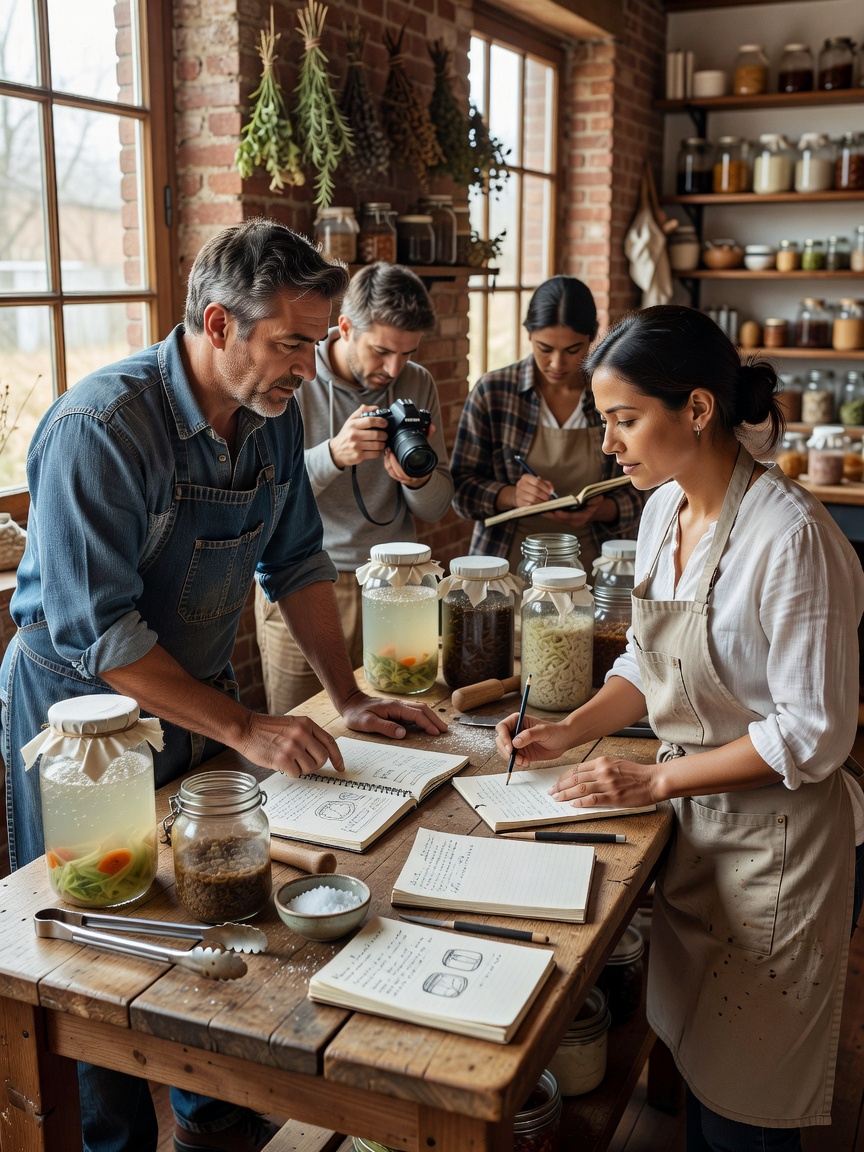
Cooks discussing fermentation notes beside jars at a naturally lit workbench
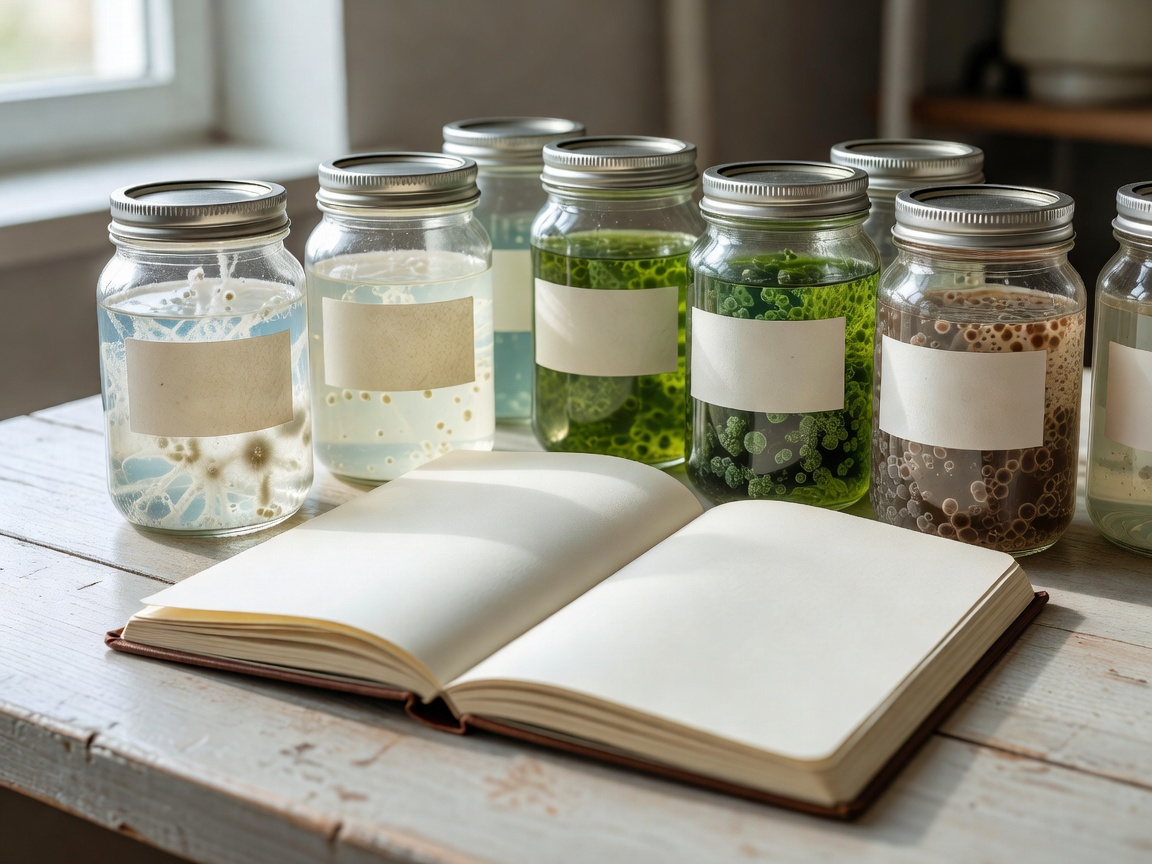
A shared notebook beside labelled culture jars in daylight
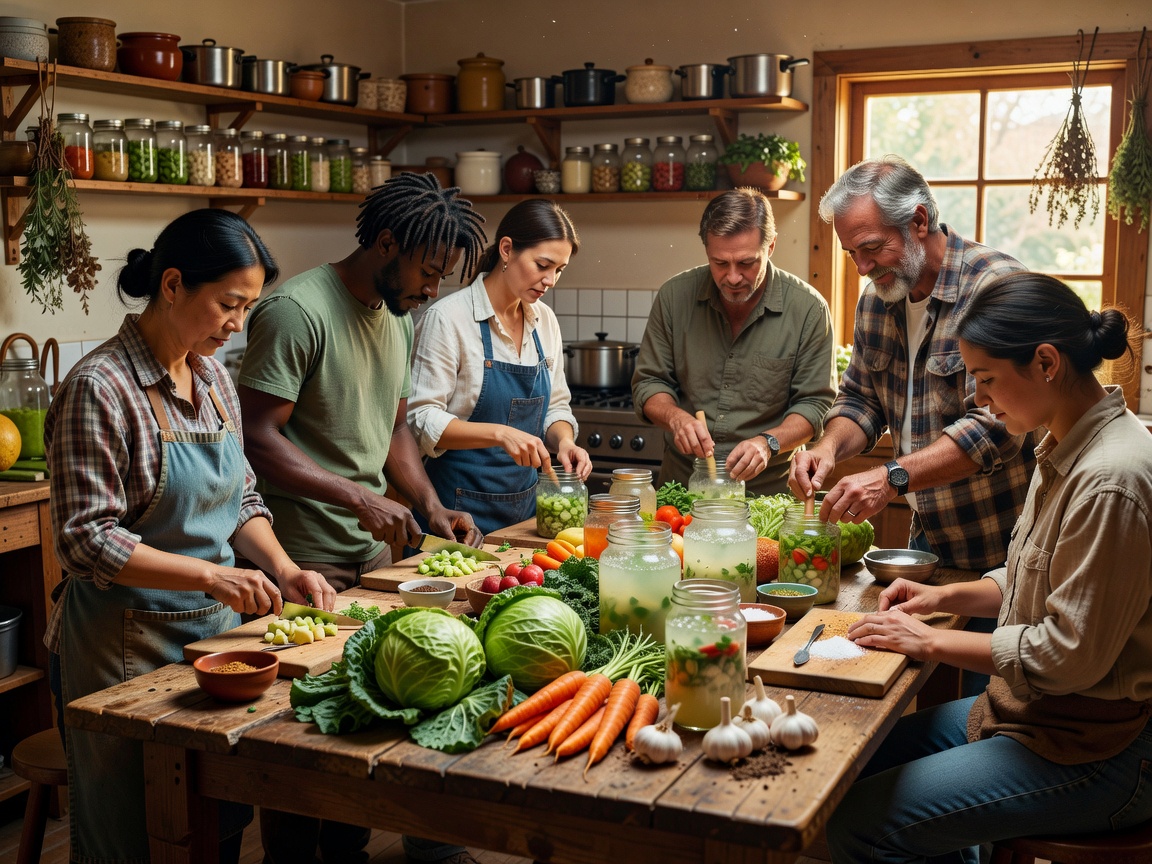
People preparing ingredients together at a communal kitchen table

The workbench is a place for questions, not proof of safety.

01 / Studio premise

A library that keeps changing

Books can stay on a shelf. A living culture needs care, and the record around it needs revision. Ingredients shift with the season; a keeper changes; an observation contradicts last month’s confident note.

Our archive treats those changes as information. We are an independent editorial website, not a culture supplier, testing laboratory or food-safety authority.

Read our archive approach

02 / Documentation

Records worth keeping

A useful entry connects the ingredient, the person and the conditions. It separates what was measured from what was remembered.

  • Make the record traceable

    Batch identities, instrument notes, source references and a visible revision history.

    Open the records entry

03 / Cultural contexts

Traditions in conversation

Kimjang, kōji work and sourdough keeping are not interchangeable examples of a single technique. Each carries particular relationships and vocabularies.

  • Keep the source in view

    Credit teachers and communities without presenting one studio’s adaptation as the original.

    Explore cultural attribution

04 / Observation

Experiments with boundaries

A photograph of bubbles is evidence of visible change, not a safety assessment. A research note must say what it cannot establish.

  • Separate the question from the claim

    Record uncertainty, consult appropriate guidance and avoid treating a studio trial as a household recipe.

    Read the observation entry

05 / Research spaces

People around the workbench

Food research spaces differ in purpose. Restaurants, community kitchens, seed networks and public archives preserve different kinds of evidence.

  • Look beyond the equipment

    Learn from documented work associated with Noma, Nordic Food Lab and the Sourdough Library.

    Visit the studio notebook

06 / Keep reading

Return to the notebook

Start with a question. Follow the source. Leave enough context for the next reader to disagree usefully.

A short reading shelf

  • Sandor Ellix Katz, The Art of Fermentation: a broad encounter with fermentation practices and their social settings.

  • René Redzepi and David Zilber, The Noma Guide to Fermentation: a restaurant research perspective, not a universal safety standard.

  • UNESCO Intangible Cultural Heritage: community practices and safeguarding contexts beyond a recipe’s ingredient list.